Gear Coupling Supplier In Thane
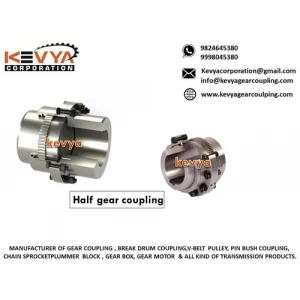
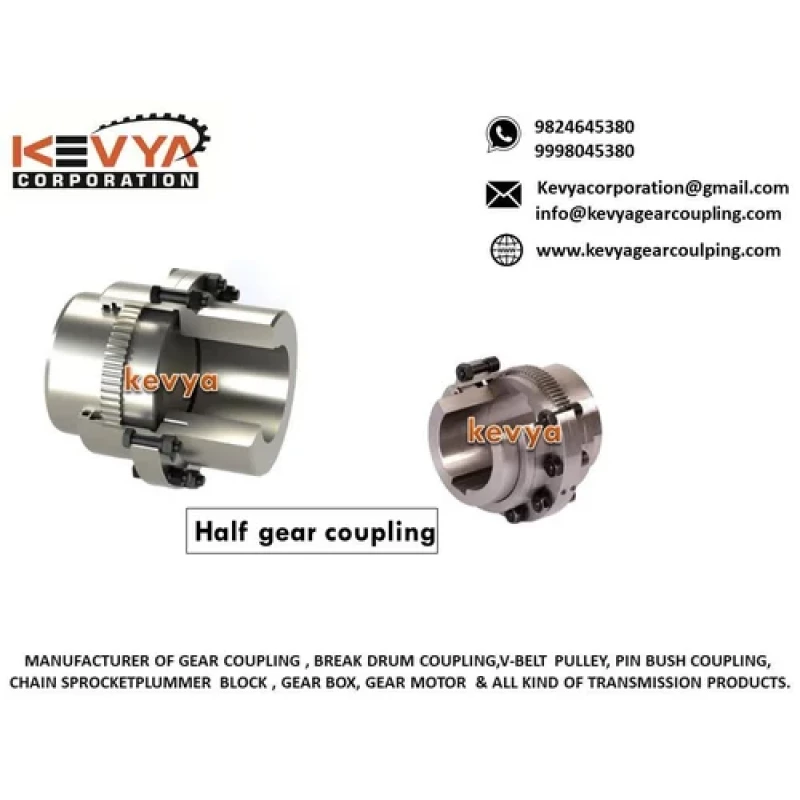
Details of HALF Gear Coupling
We supply gear couplings in Thane with a focus on steady stock and quality that holds up under tough industrial use. Gear couplings tend to fail mostly due to wear from misalignment or poor lubrication, leading to vibration and downtime. Over time, teeth can chip or break if the load is uneven or shock loads hit unexpectedly.
One common problem is backlash which causes noise and stress on connected shafts; another is fatigue cracks starting at tooth roots, worsened by dirty environments or improper installation. These failures stop machines suddenly—no one wants that during critical production runs.
Performance Metrics That Matter
- Durability
- Lasts long under high torque and shock loads without excessive wear
- Precision Fit
- Tight manufacturing tolerances reduce backlash and improve smooth operation
- Maintenance Needs
- Designed for easy access and minimal lubrication intervals
Regular checks keep performance in line but good design reduces how often you need them.
The testing lab runs torque tests simulating actual working conditions plus endurance trials cycling loads continuously to spot weak points early. We check tooth profile accuracy using laser scanning methods (side note: this tech picks up tiny deviations no human eye sees). This helps catch any issues before shipping.
Material hardness tests confirm the steel meets specs for strength and toughness, avoiding brittle fractures seen in cheap products. Sometimes small batch trials mimic real-world dust exposure—because dust is the real enemy here—for reliability over years.
If you want to compare different gear coupling types, we offer samples with varying sizes and hub styles so your engineers can test fitment directly in your setups instead of guessing from specs alone. Matching coupling choice closely with shaft sizes plus expected load conditions prevents premature breakdowns later.
Offered Product
